



Save 14%

FAQs

What are the most popular types of wigs for African American women?

The most popular types of wigs are often chosen for their texture, style, and versatility. The most common styles include:

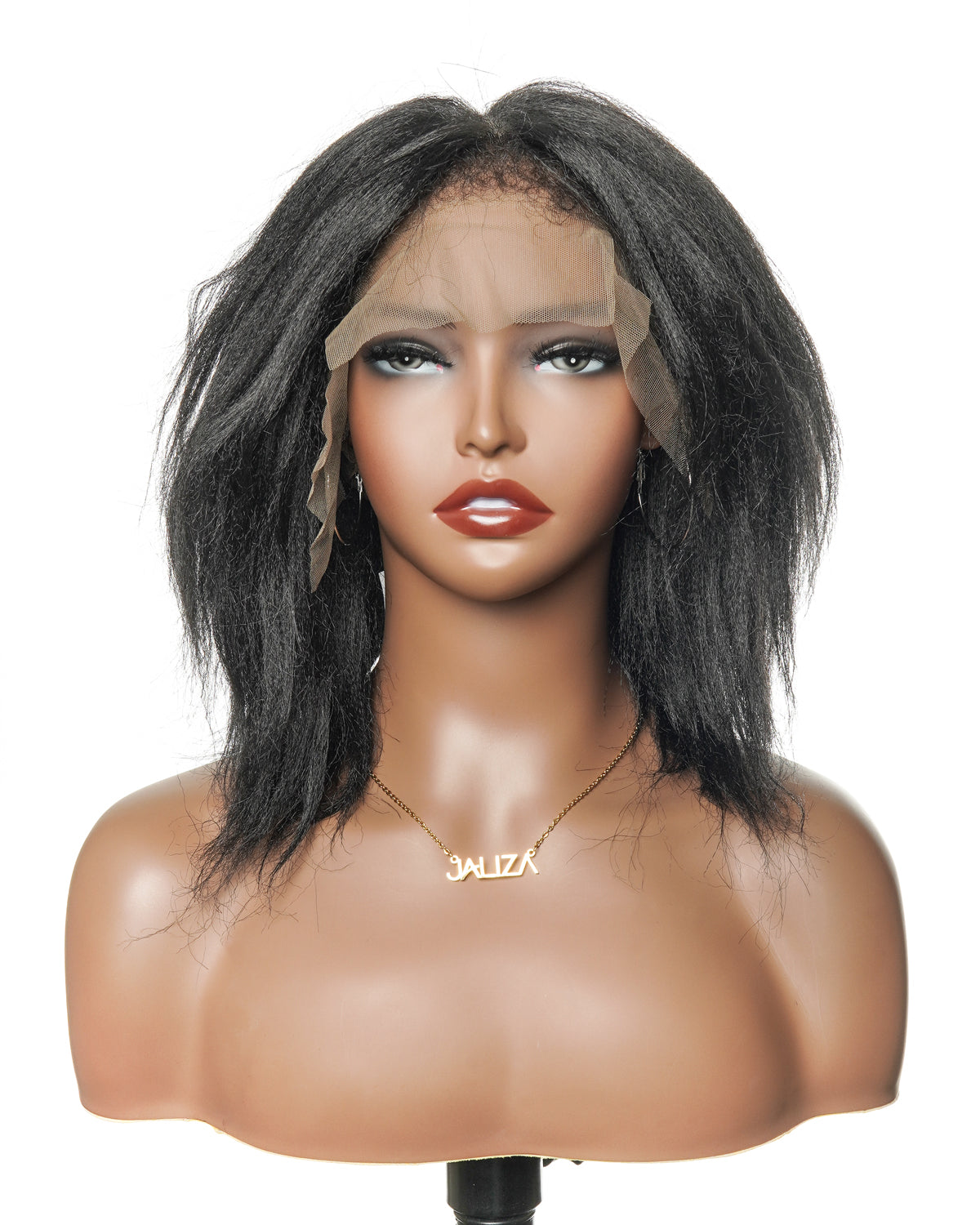
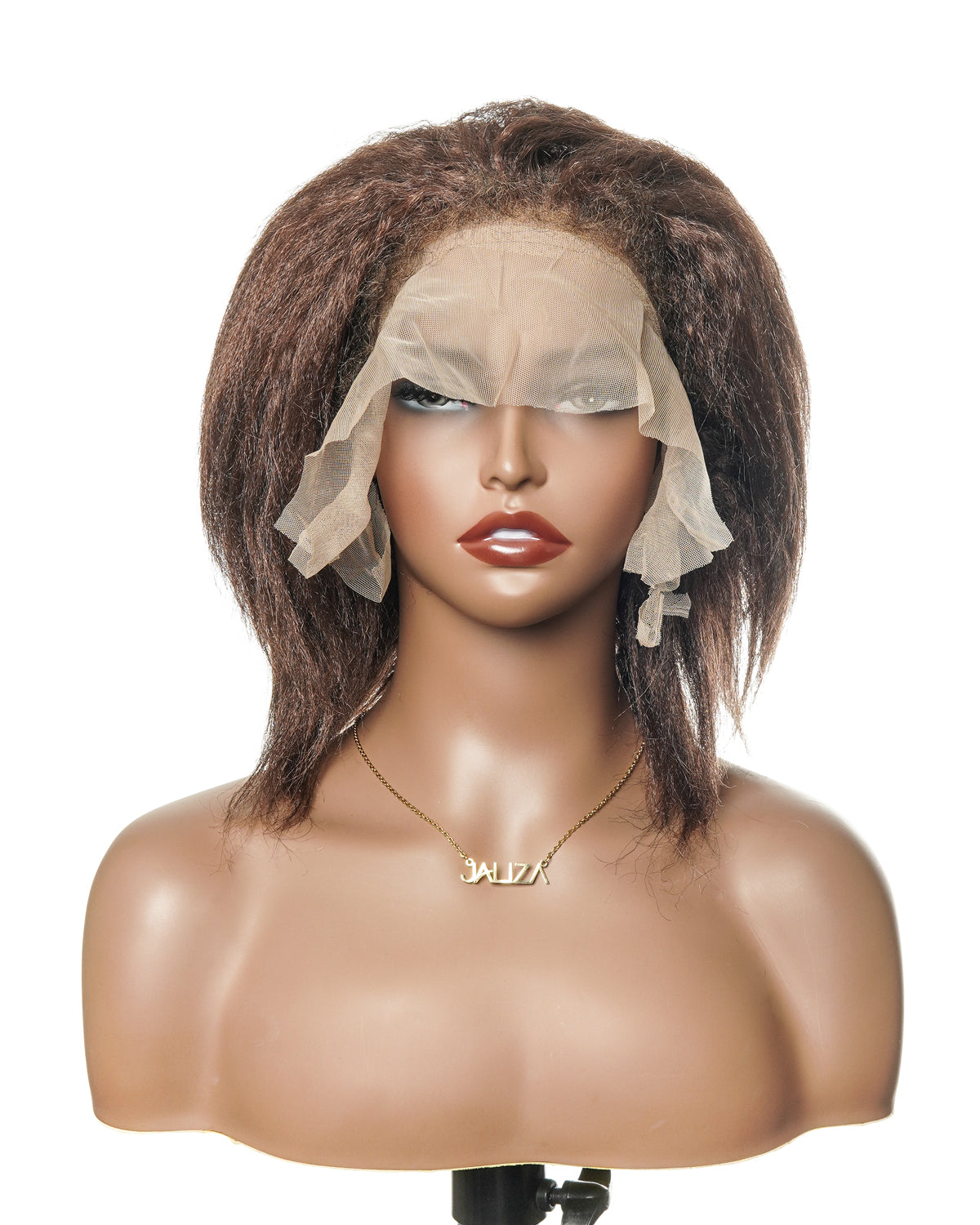
Kinky Curly & Afro Wigs: Designed to mimic natural 3C and 4C hair textures.

Yaki Wigs: A processed texture that looks like relaxed or straightened natural hair.

Silky Straight & Body Wave Wigs: Versatile textures that offer a sleek or wavy look.

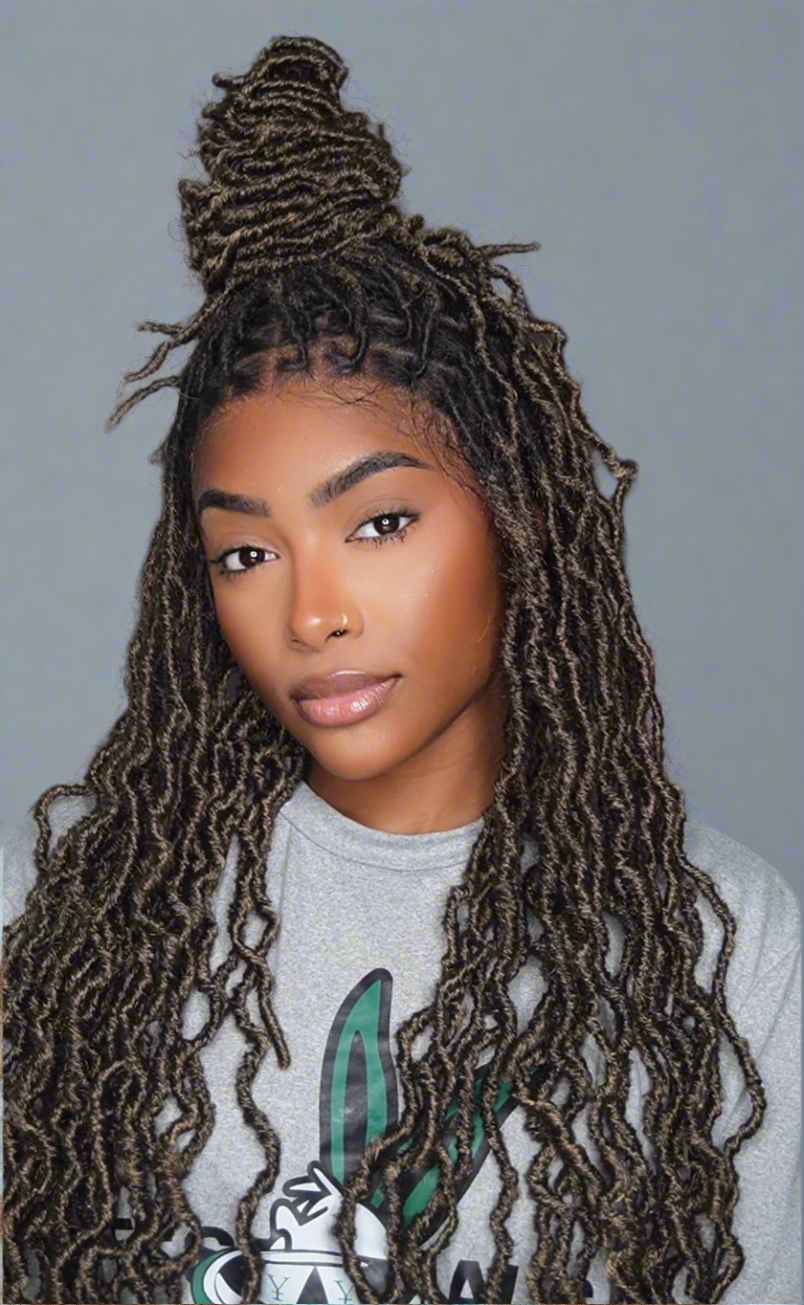
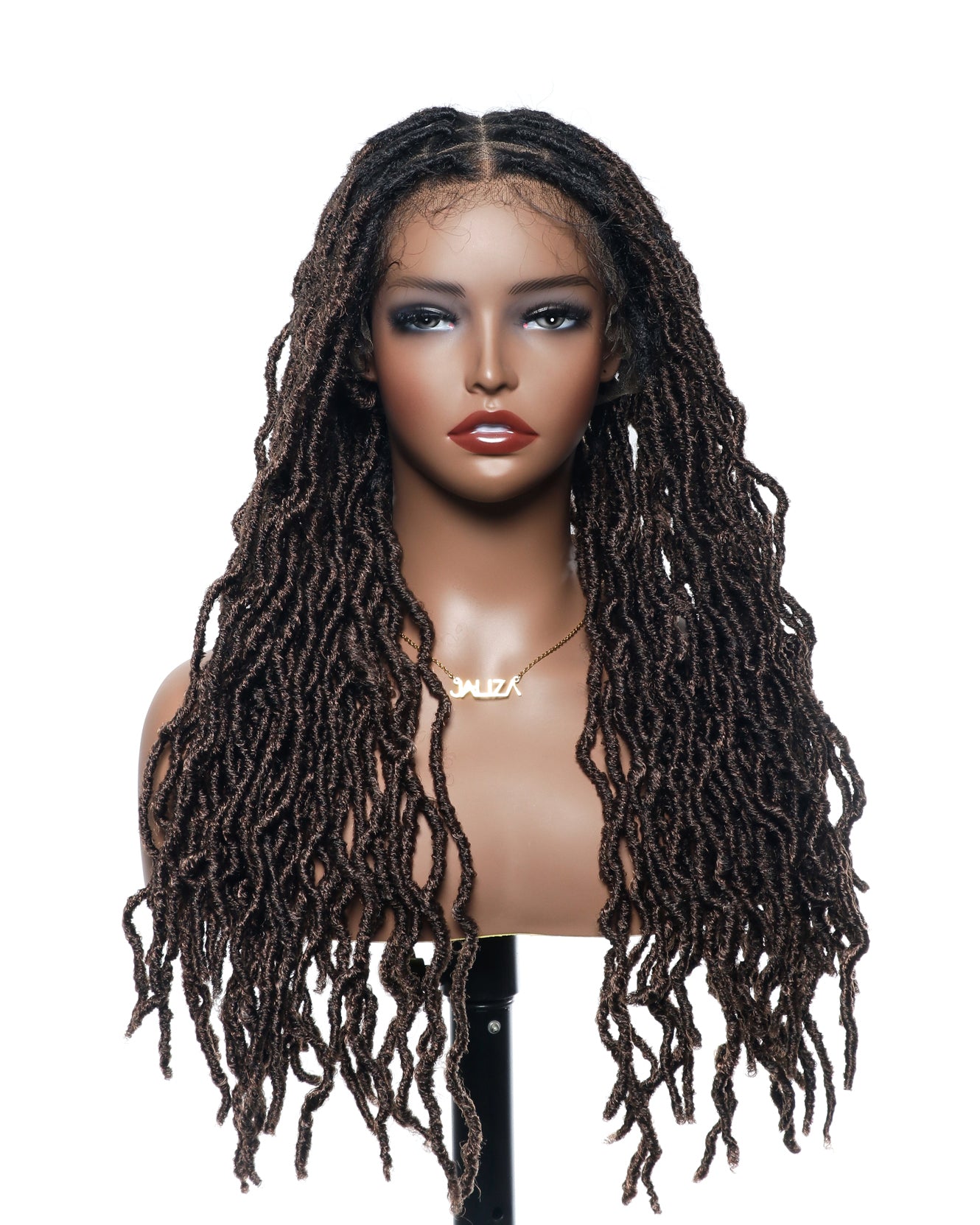
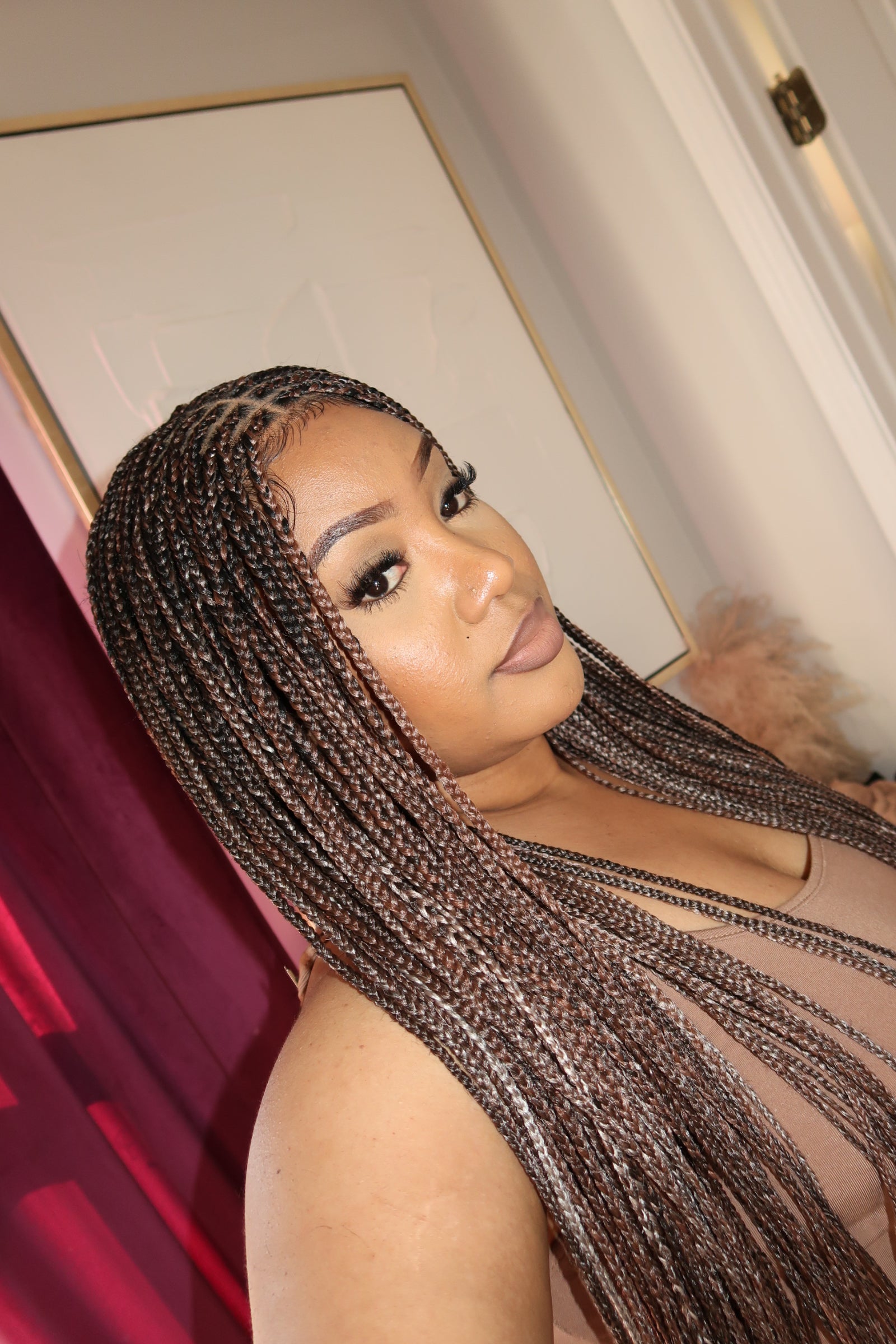
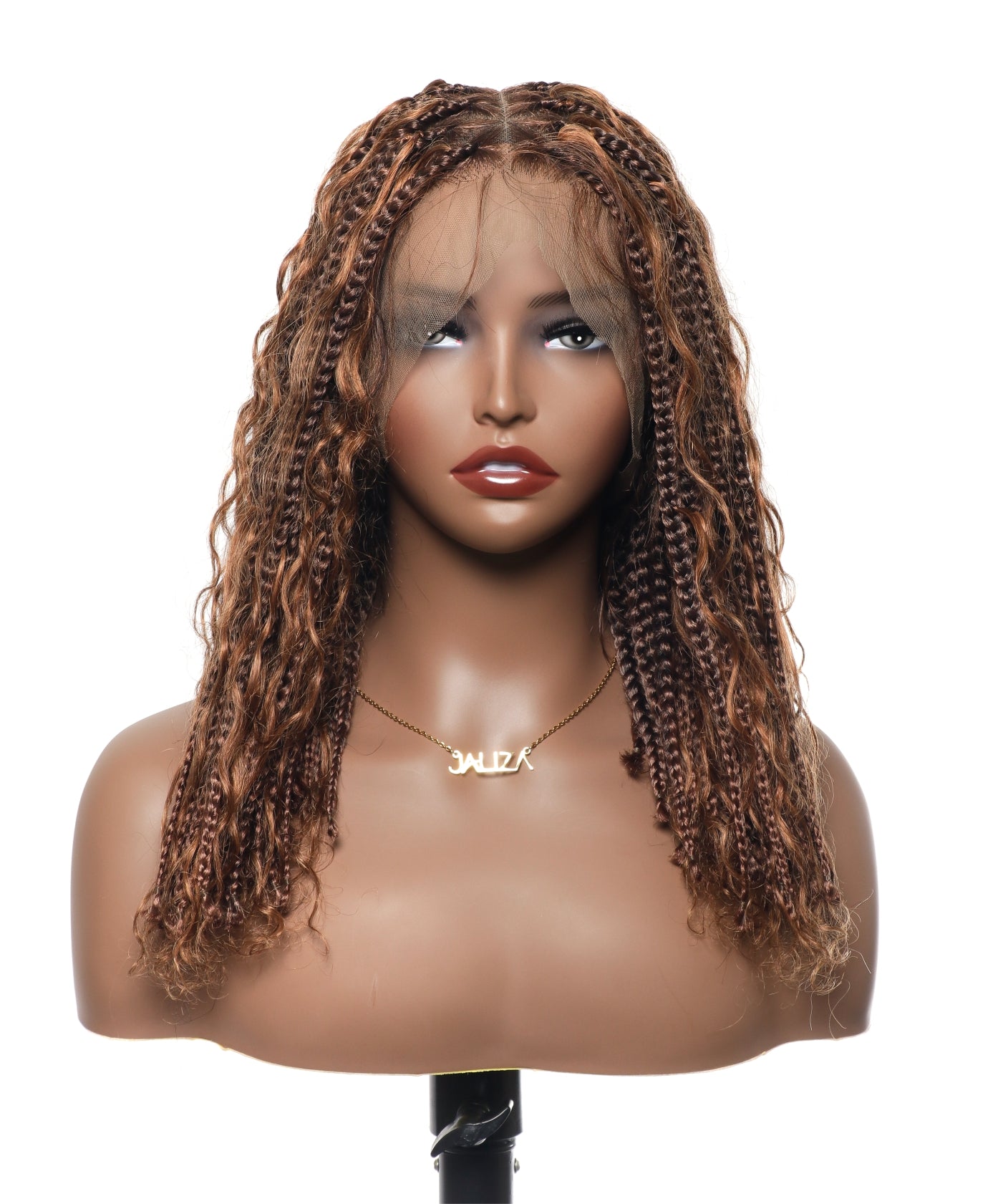
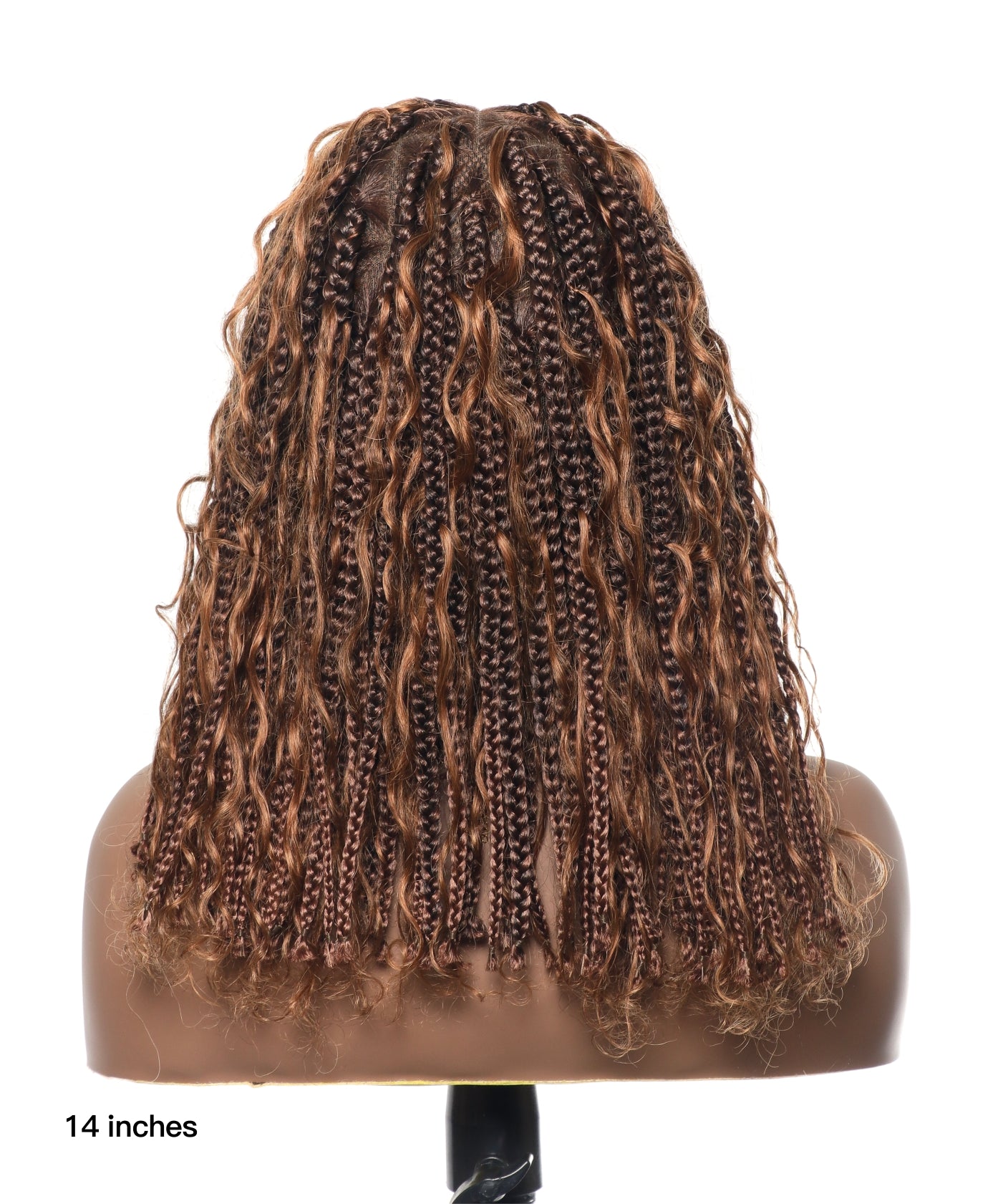
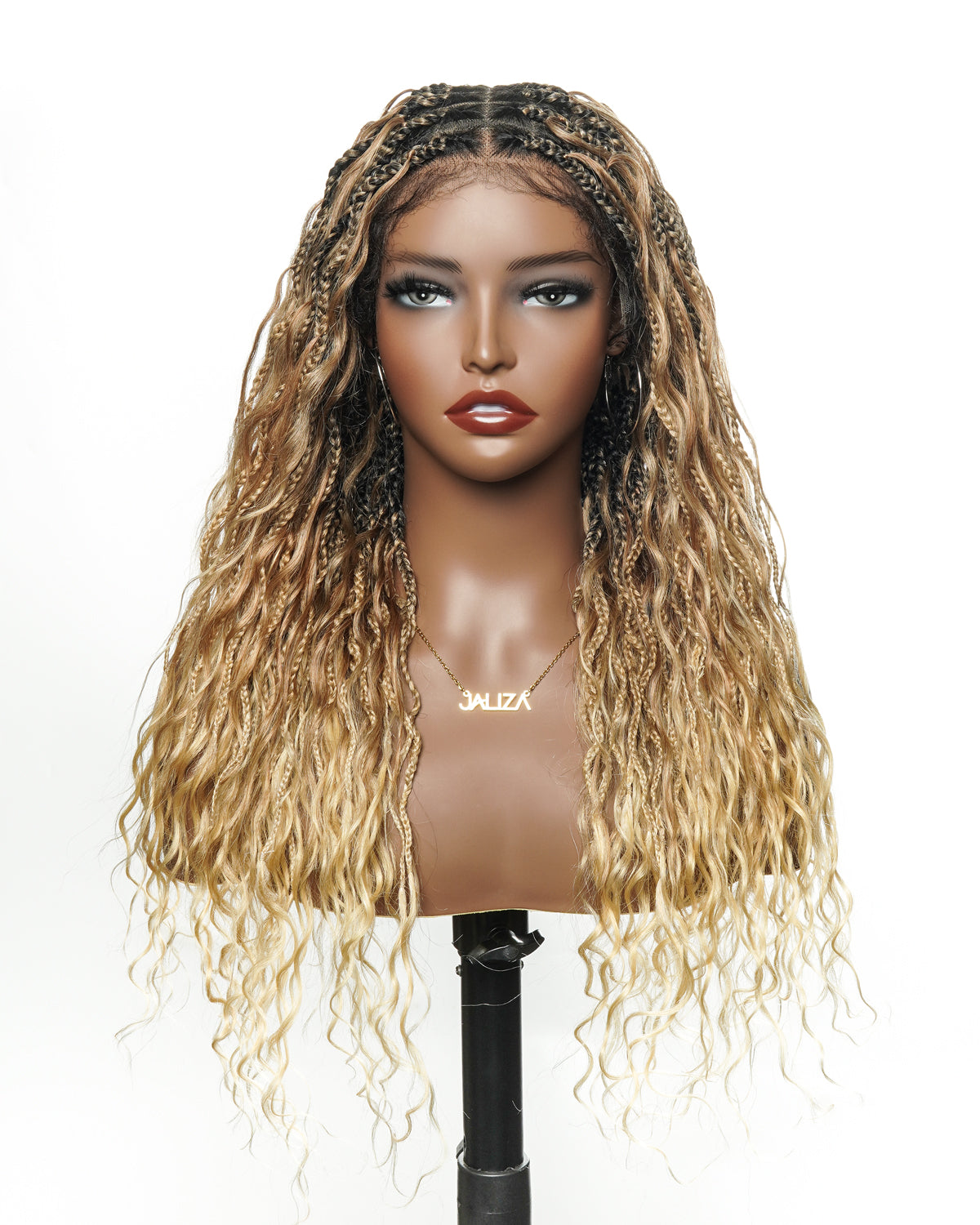
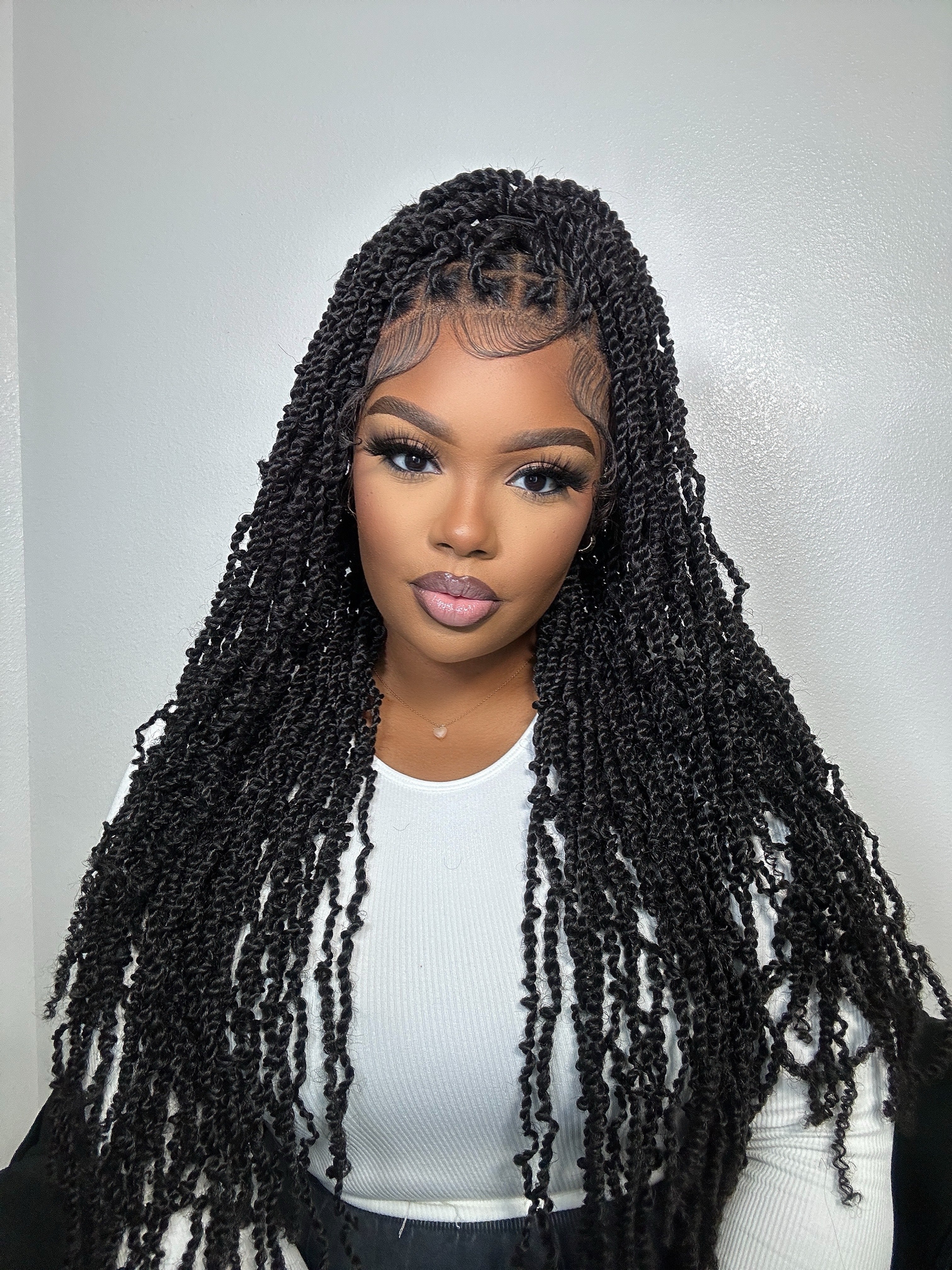
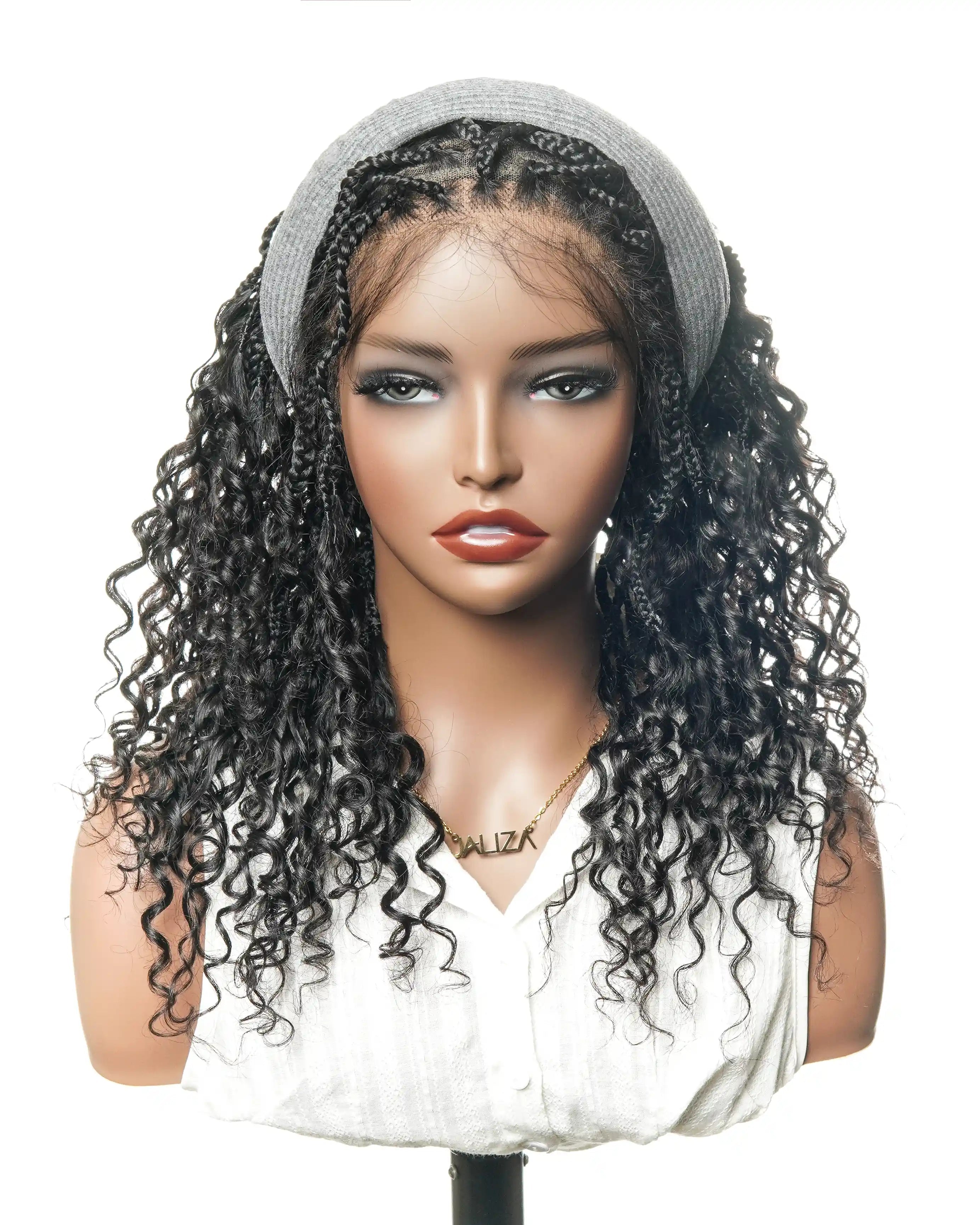
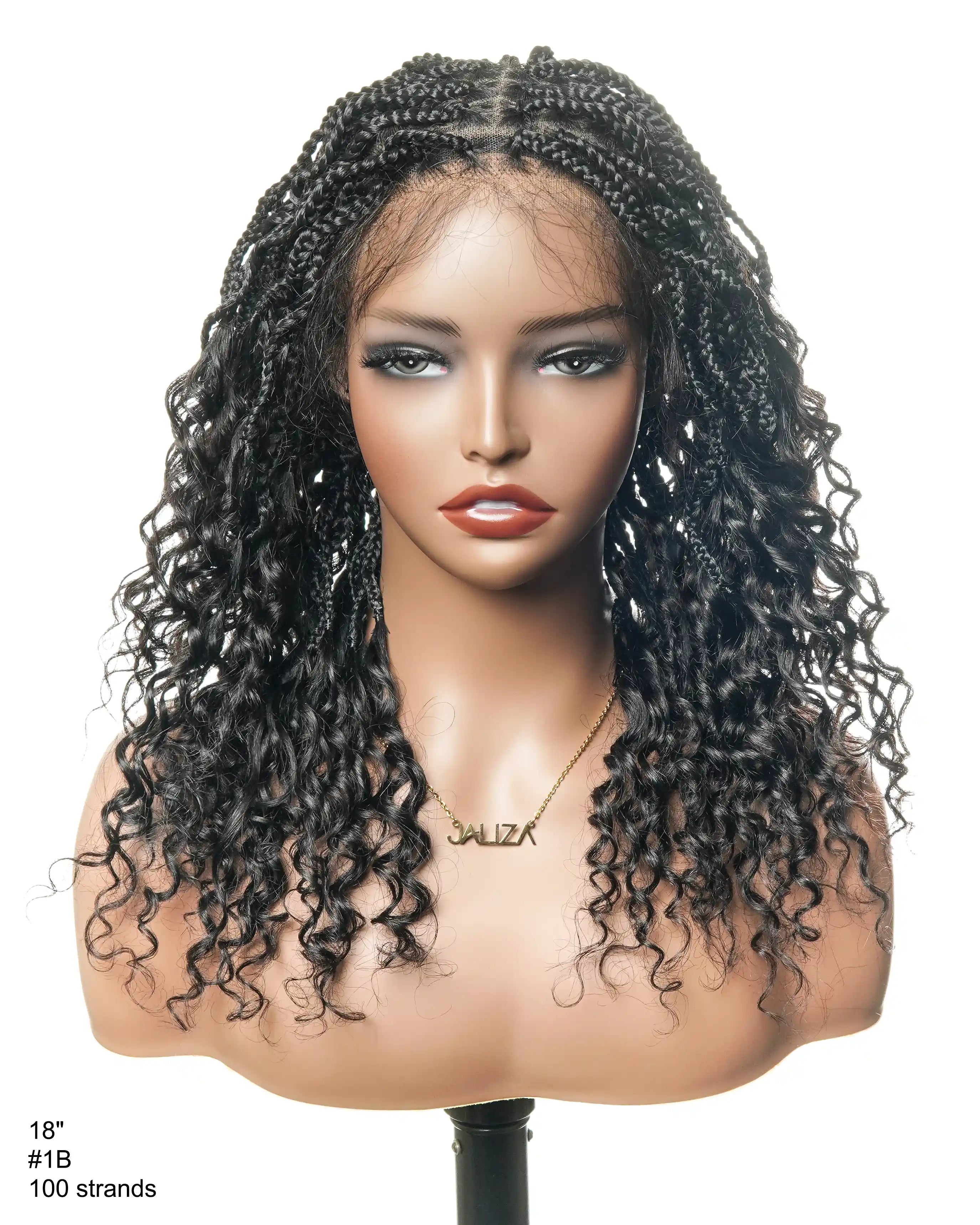
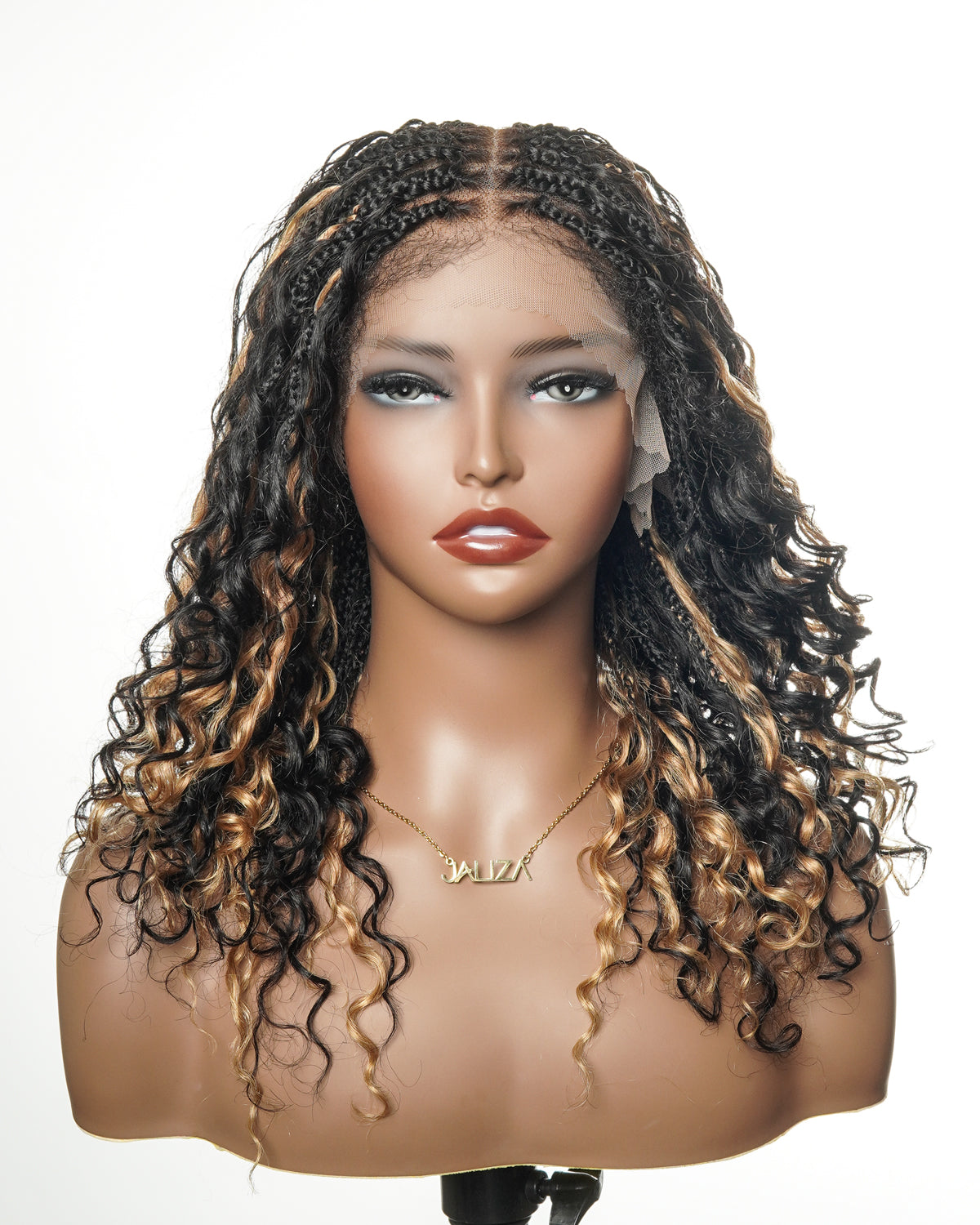
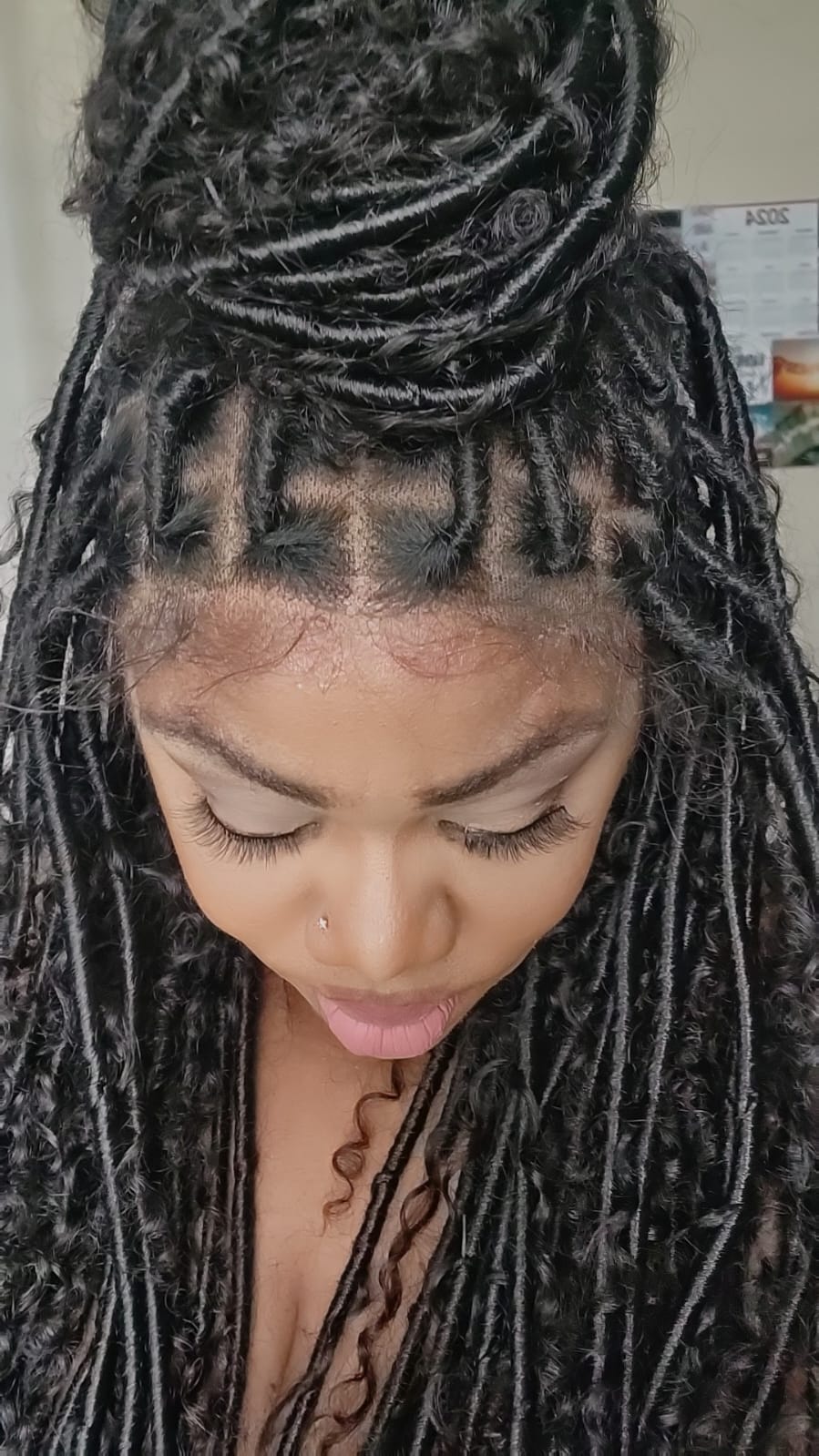
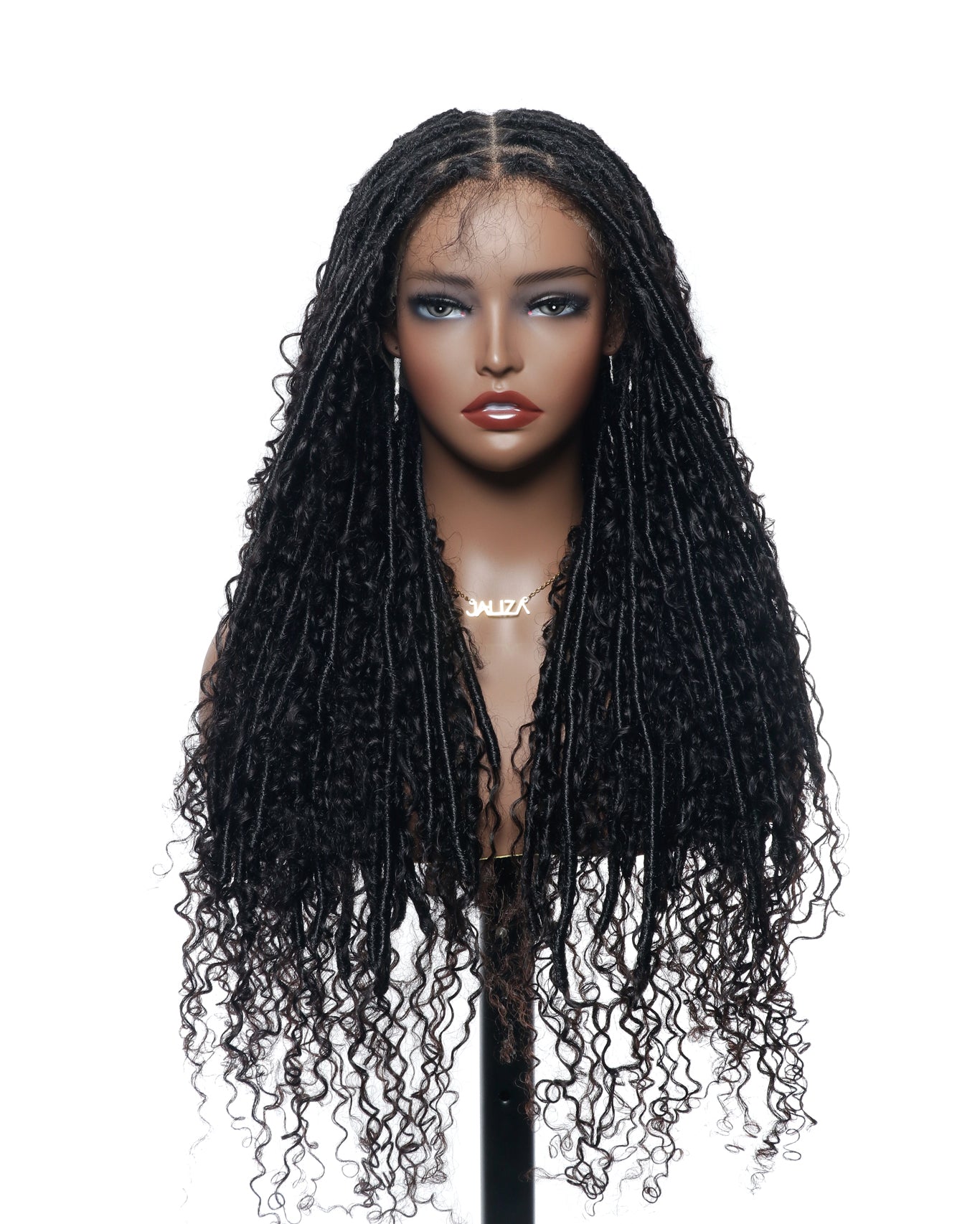
Braided Wigs: A protective style that offers a full head of braids without the commitment.

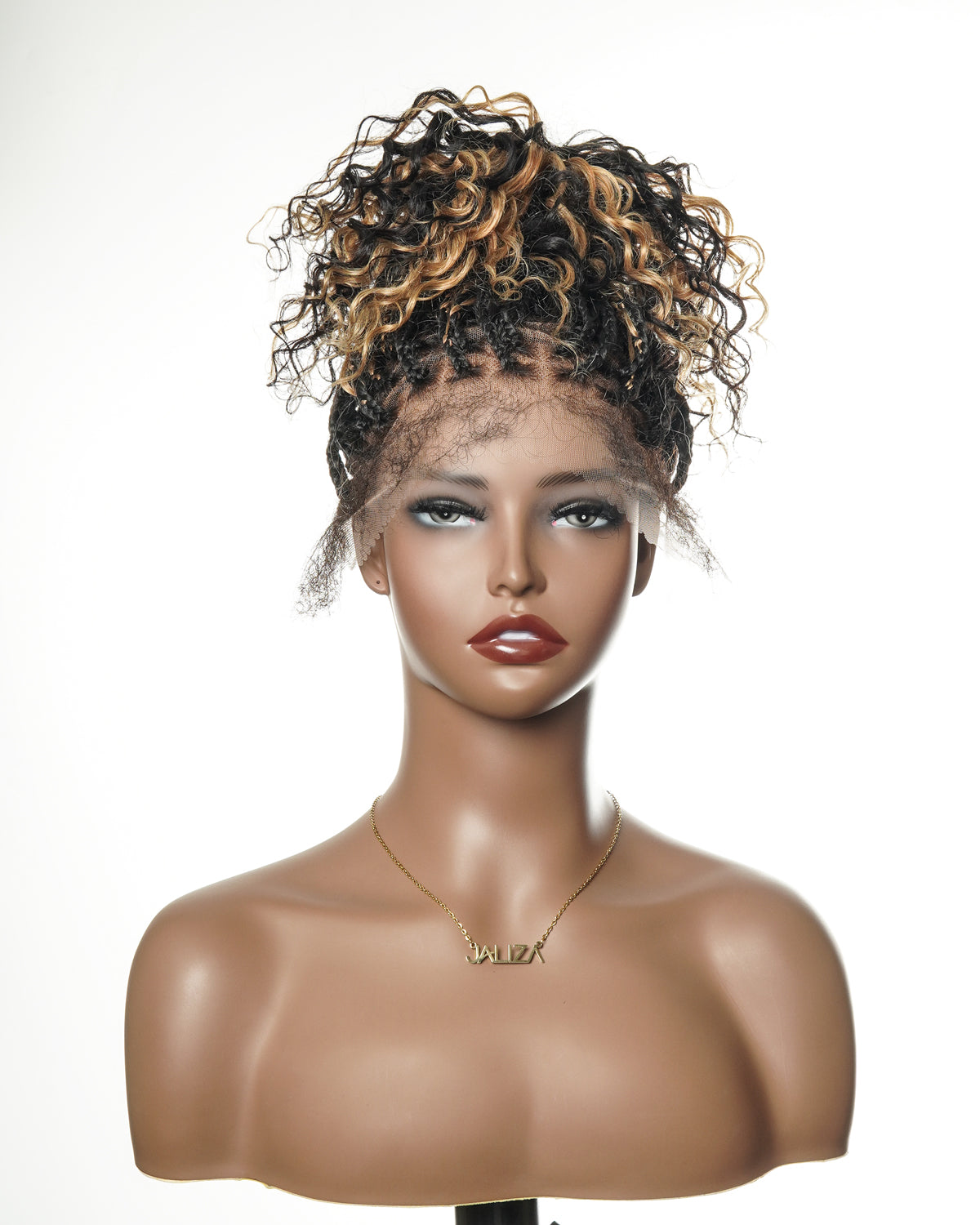
Lace Front Wigs: Provides a natural-looking hairline, making them a top choice for a seamless blend.

What is the difference between human hair and synthetic wigs?

Human Hair Wigs: Made from real human hair, these wigs offer the most natural look and movement. They are more versatile and can be dyed, bleached, and heat-styled. They are more expensive but can last for over a year with proper care.

Synthetic Wigs: Made from synthetic fibers, these wigs are more affordable and low-maintenance. They come pre-styled and hold their shape after washing. However, they are not heat-friendly and have a shorter lifespan.

How do I choose the right cap construction for me?

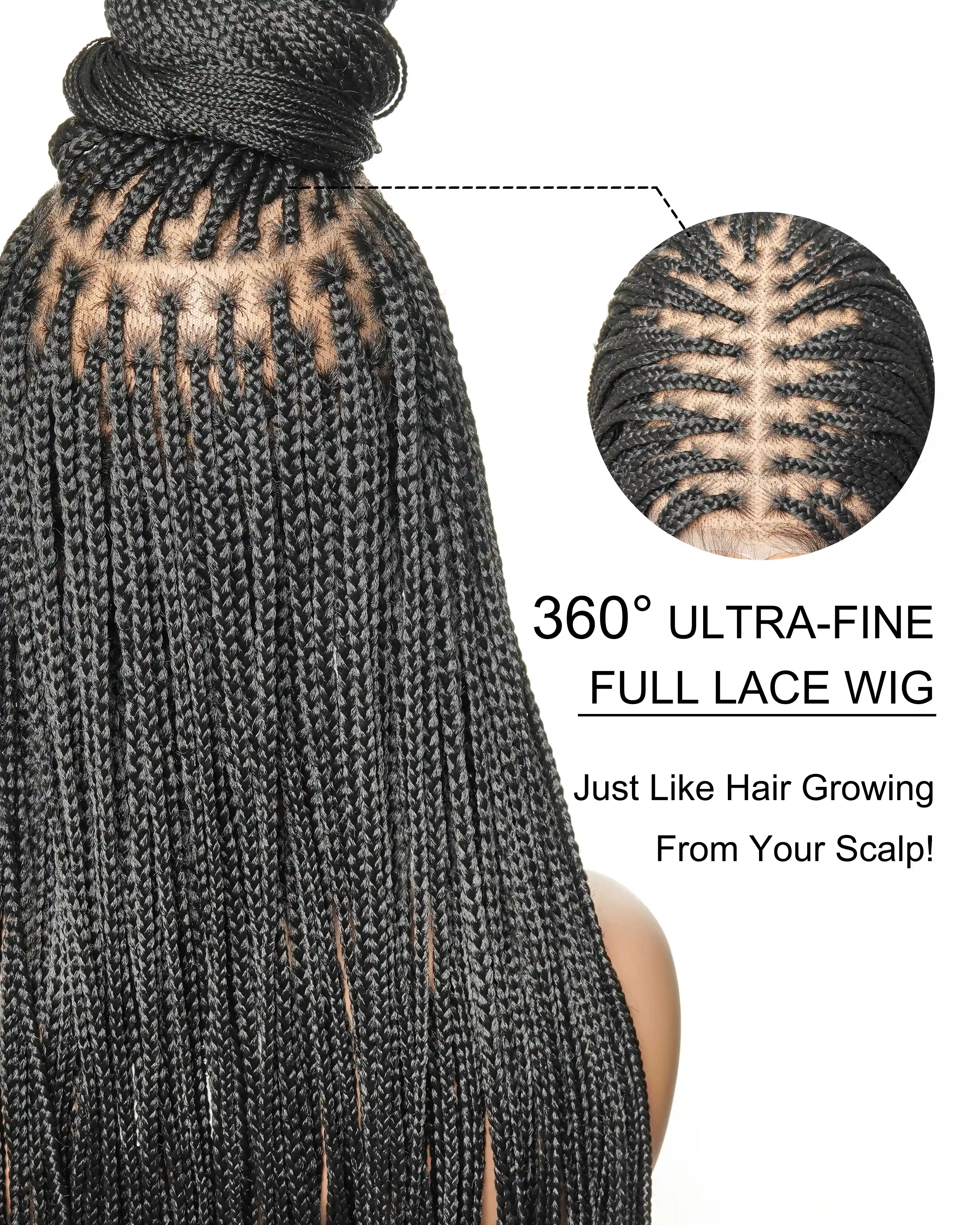
The cap construction determines the wig's look, feel, and styling versatility. A Lace Front wig is an excellent entry-level option, as it offers a realistic hairline across the front of the wig, giving you the freedom to style your hair away from your face. A Full Lace wig provides maximum styling versatility with a natural hairline all around the perimeter, allowing you to wear ponytails and updos. A U-Part wig is designed for a seamless blend with your own hair, as it features a U-shaped opening at the top where you can pull your natural hair through. A Headband wig is the ultimate convenient choice, as it uses a headband for a secure fit without the need for lace or glue.

What's the difference between a lace front and a 360 lace wig?

A lace front wig features a strip of lace only at the front of the wig, typically from ear to ear. This allows for a natural-looking hairline and an off-the-face style. A 360 lace wig, on the other hand, has a lace perimeter that wraps all the way around the head. This construction gives you the freedom to style the wig in a high ponytail or an updo, as the natural-looking hairline is visible from all angles. While a 360 wig offers more styling options, it is also a more complex and typically more expensive construction.

What's the best way to secure a wig without using glue?

Glueless wigs are a popular and convenient choice that prioritize scalp health. These wigs stay secure using a combination of built in features. The most common are adjustable straps at the back of the wig cap, which allow you to customize the fit to your head size. Many wigs also come with small combs or clips strategically placed at the temples and back to latch onto your natural hair for extra security. Some wigs even include a stretchy elastic band sewn into the cap, which provides a comfortable, suction-like grip that keeps the wig in place all day long.